 Hexnobi games
Summer Game Fest 2026 Was Less About Surprises - and More About Where Gaming Is Going Next
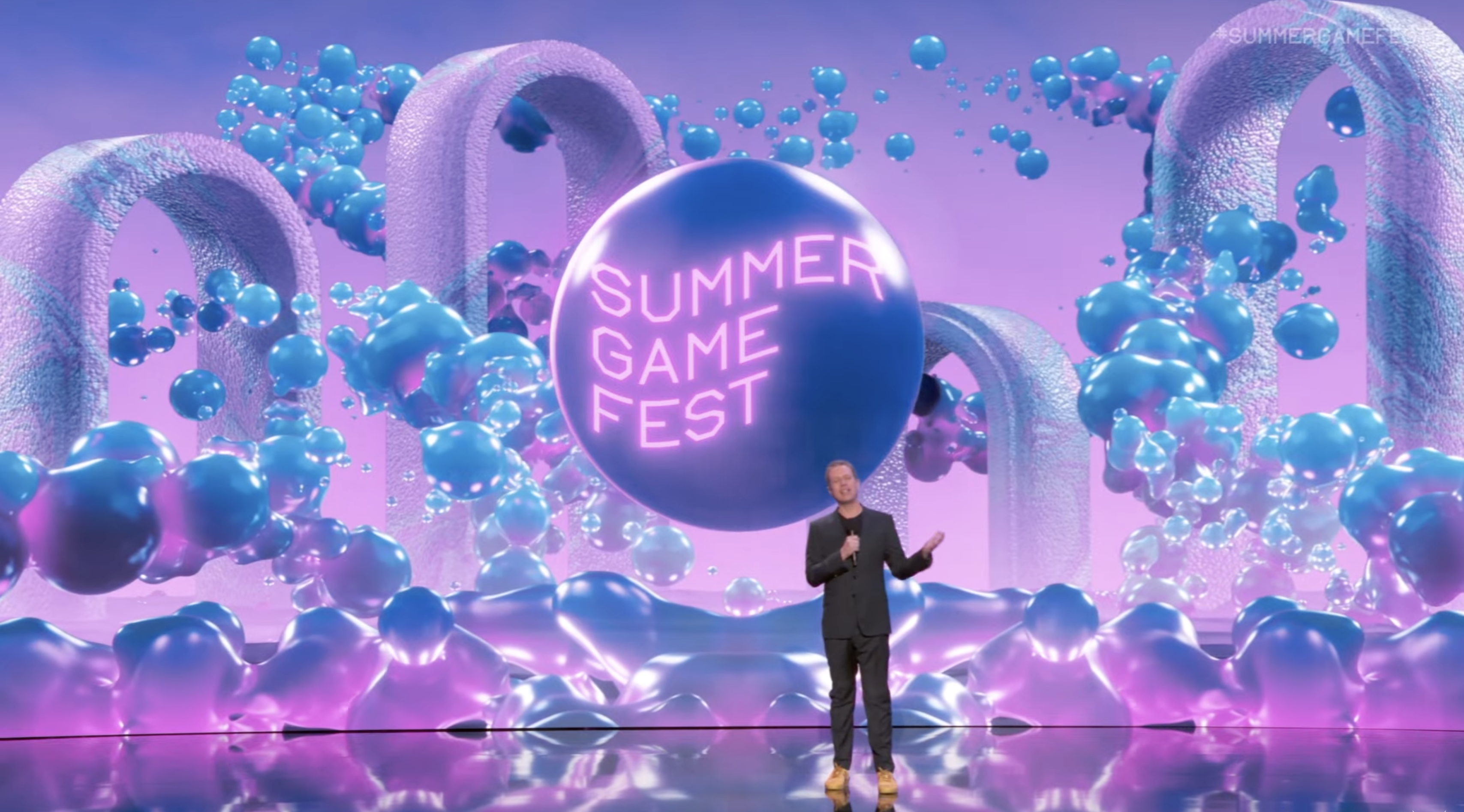
Summer Game Fest has spent the last few years trying to fill the enormous hole left behind by E3.
In 2026, it finally felt less like a replacement and more like its own thing.
The main Summer Game Fest showcase on June 5 delivered dozens of announcements, while the surrounding week brought PlayStation, Xbox, PC and publisher-specific presentations into what has effectively become gaming's unofficial summer announcement season.
There were huge reveals.
But the more interesting story was what those reveals collectively told us about the industry.
Single-player games are very much alive
A few years ago, it sometimes seemed like every major publisher was searching for its own endlessly monetizable multiplayer game.
Summer Game Fest 2026 looked noticeably different.
Sony continued pushing major narrative-driven projects. Remedy showed more of Control Resonant. Creative Assembly finally revealed Alien: Isolation 2. Capcom brought back Resident Evil: Code Veronica. Square Enix unveiled Final Fantasy VII Revelation, the final chapter of its remake trilogy.
These aren't small experiments.
They are expensive, high-profile games built around campaigns players can actually finish.
Live-service gaming obviously isn't disappearing, but publishers appear increasingly aware that not every successful game needs to become a platform that consumes someone's life for the next five years.
Sometimes people just want a great game.
Apparently that still works.
Sequels dominated - but not necessarily the boring kind
Anyone hoping 2026 would suddenly become the year publishers stopped relying on recognizable franchises probably came away disappointed.
The summer lineup was packed with familiar names.
Alien.
Resident Evil.
Final Fantasy.
Stellar Blade.
The Wolf Among Us.
Guild Wars.
But there was an important difference between simple franchise recycling and what many of these projects represented.
Alien: Isolation 2 is a sequel players have requested for more than a decade. Final Fantasy VII Revelation is completing one of gaming's most ambitious remake projects. The return of Code Veronica gives Capcom another opportunity to revive a game that has been difficult to access on modern hardware.
Nostalgia still sells.
In 2026, however, some of gaming's biggest nostalgia plays are becoming surprisingly ambitious projects in their own right.
And then there was the game that wasn't there
Grand Theft Auto VI.
Rockstar didn't need to show up.
Its November release still hung over practically the entire summer conversation.
Publishers are planning release windows around it. Analysts are watching it. Players are saving money for it. Other major games launching in late 2026 inevitably face the question of whether they want to exist anywhere near GTA VI on the calendar.
That might be the strangest demonstration of Rockstar's position in the industry.
Most games need trailers to dominate Summer Game Fest.
GTA VI managed it by doing absolutely nothing.
The old E3 feeling isn't coming back - and that's fine
Summer gaming announcements are messier now.
Instead of three days where virtually the entire industry fights for attention in one convention center, announcements are spread across livestreams, publisher showcases, hands-on events and individual reveals.
Something has been lost.
There is no longer that bizarre week where practically everyone who cared about games was watching the same stage.
But something has also been gained.
Smaller games aren't forced to compete directly with ten massive publisher conferences. PC gaming has more visibility. Independent showcases have developed their own audiences. Publishers can decide how much of the traditional event format they actually need.
Summer Game Fest 2026 didn't recreate E3.
At this point, it doesn't need to.
Gaming has already moved on.


