 Hexnobi games
The Global Rise of Handheld Gaming
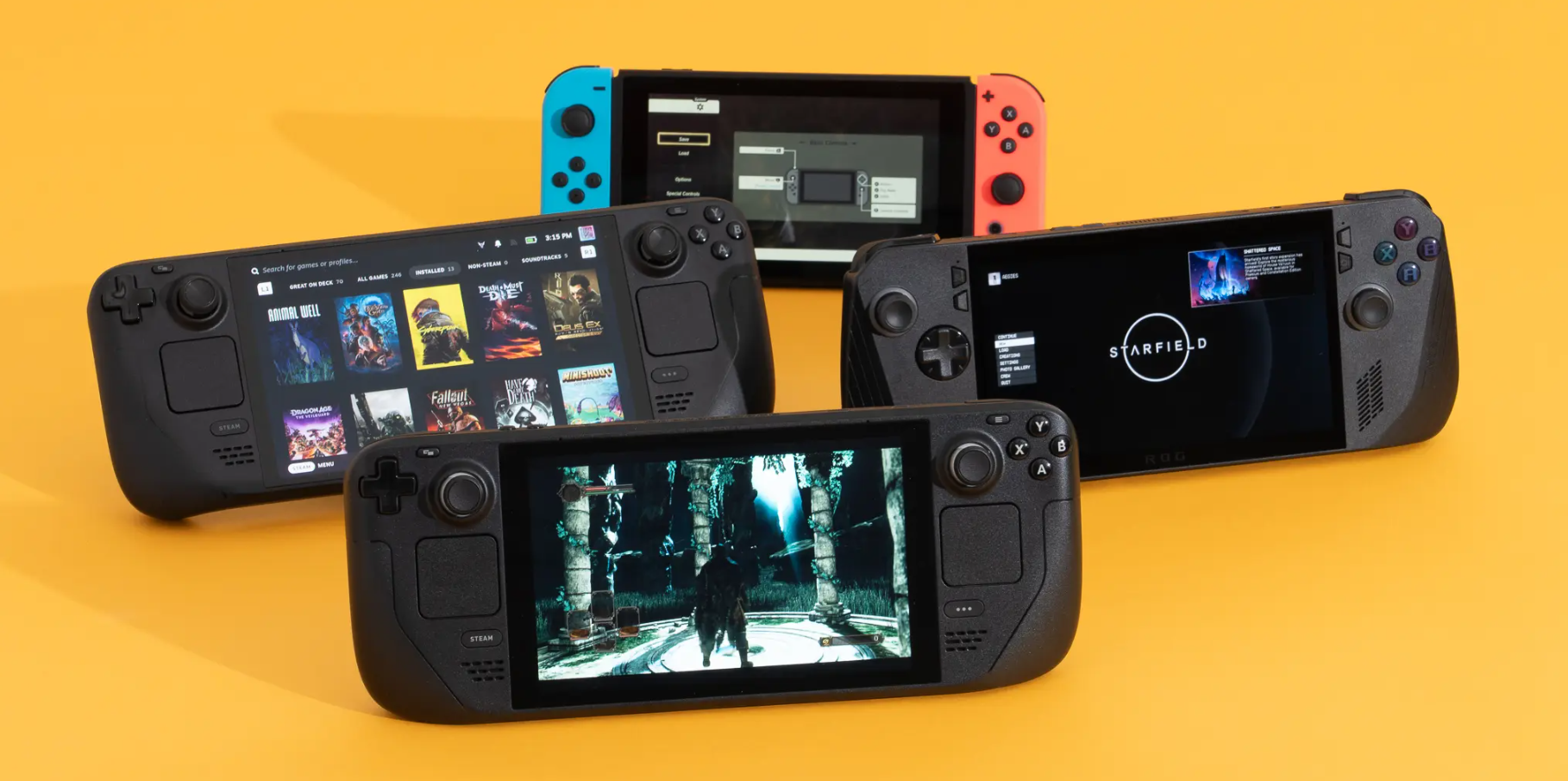
Once seen as a side branch of gaming, handheld consoles are now stepping into the spotlight. In 2025, they’re no longer just “portable companions” — they’re full-fledged platforms shaping how players interact with games worldwide.
A Market in Transformation
For decades, handhelds were defined by limitations: weaker performance, shorter battery life, and smaller libraries. Today, that narrative has flipped. New devices bring desktop-level specs into portable form, while global demand is driving companies to invest heavily in this segment.
Why Players Are Switching
-
On-the-move play: No need to stay locked to a TV or desk.
-
Unified ecosystems: Access to the same accounts, friends, and digital libraries across multiple devices.
-
Stronger hardware: Performance leaps mean you can play high-end titles without compromise.
Regional Growth Patterns
In markets where mobile gaming dominates, handhelds are emerging as the natural “next step.” Countries in Asia, South America, and Eastern Europe are seeing sharp adoption rates, as players embrace devices that blend portability with power.
The Road Ahead
As cloud technology matures and portable hardware becomes more efficient, handhelds are poised to become not just an alternative but a primary way to play. The industry is shifting, and handheld consoles are no longer the backup plan — they’re the main stage.


